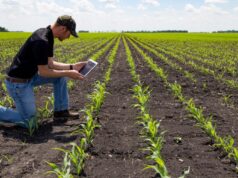
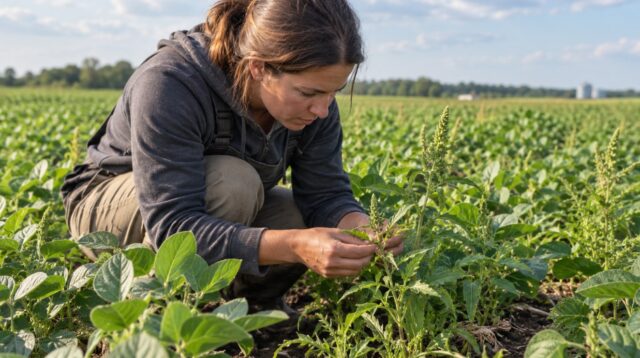
A proactive approach to weed management has always been good practice, and for eastern Canadian growers, Palmer Amaranth is one of the rare exceptions where they have a window to prepare before the real pressure begins. It has not yet established permanent populations in Canada, but detections are being reported with increasing frequency through agricultural pathways and border crossings. A broadleaf weed killer program already built to handle resistant and aggressive pigweed species will be far better positioned if and when Palmer Amaranth arrives in force.
What Makes Palmer Amaranth Different
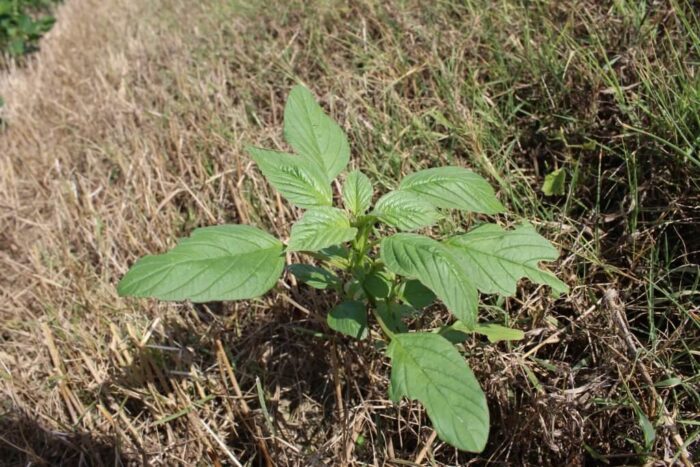
Palmer amaranth is closely related to other pigweed species Ontario growers may already be dealing with, including redroot pigweed and waterhemp. Early in the season, those species can look very similar, making accurate identification a challenge. That’s why scouting and early detection matter. Once Palmer amaranth is large enough to stand out, it may already be competing aggressively with the crop and setting the stage for bigger management challenges later in the season.
What makes Palmer amaranth different is the speed at which it can become a problem. Under the right conditions, it grows rapidly and can quickly overtake less competitive crops. It is also an extremely prolific seed producer. A single female plant can produce hundreds of thousands of seeds, allowing small infestations to expand quickly if plants are allowed to reach maturity.
There’s also a harvest management concern. Mature Palmer amaranth develops thick, woody stems that can interfere with harvesting operations, slowing progress and increasing wear on equipment. By the time those large plants show up at harvest, they’ve already competed with the crop all season and likely contributed new seed to the soil seedbank. That’s why preventing seed production is one of the most important goals when managing Palmer amaranth.
The Resistance Problem
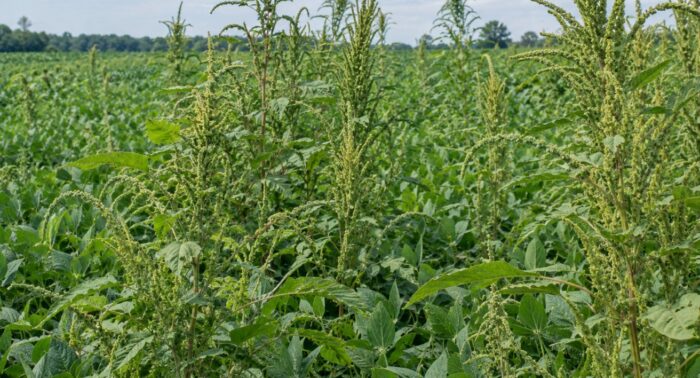
The plant’s reputation in the United States, where it is well established across row crop regions, is built largely on its capacity to develop resistance to herbicide groups quickly. Resistance to glyphosate, Group 2, and Group 14 chemistry has been documented in American populations. The weed’s ability to develop a tolerance for a herbicide relatively rapidly is a key reason agronomists take it seriously, even in regions where it has not yet arrived.
For eastern Canadian growers whose programs already rely heavily on one or two modes of action for pigweed control, that resistance profile is a meaningful signal. Building a more diversified approach before the pressure exists is a proactive approach that can pay off in the long run.
Where Crop Protection Products and Proactive Planning Intersect
The foundation of a residual program overlaps with the best practices for controlling waterhemp and pigweed species. Multiple modes of action applied pre-emergent, before weed populations get a foothold, is the approach agronomic research consistently supports for managing Amaranth species.
In eastern Canada, residual crop protection products like Fierce EZ and TriActor EZ are well positioned for this kind of program. Fierce EZ brings in two modes of action (group 14 and 15), while TriActor EZ brings three modes of action, Group 14, Group 5, and Group 2, to IP soybean programs. These provide broader coverage across the resistance profiles most commonly associated with pigweed and amaranth species. The diversity of chemistry in a single pre-emergent application is what gives it durability against populations that have already developed partial resistance to one or more groups. Fierce EZ has been noted as one of the more impressive chemistries in managing waterhemp.
Other options in the Eastern Canada residual portfolio, including Bifecta EZ, offer additional flexibility depending on crop (such as GM beans) and weed spectrum. The common thread across these products is that they are built around layering modes of action to stay ahead of resistance rather than chasing it.
Scouting and Identification as a First Step
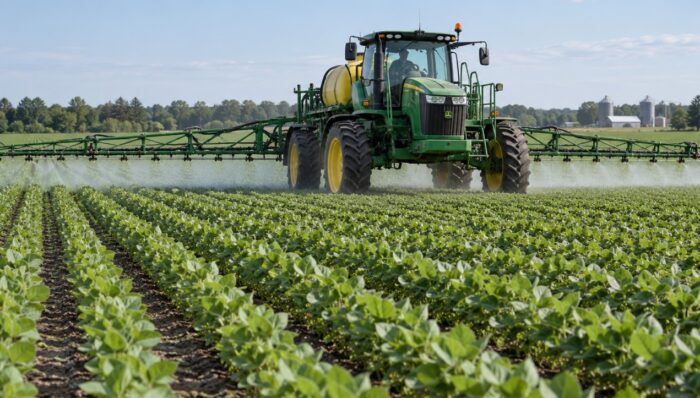
For growers who have not encountered Palmer Amaranth in their fields, the most practical near-term step is knowing what to look for during scouting. At the seedling stage, distinguishing it from waterhemp or redroot pigweed takes a practiced eye. When you find a suspected plant, confirm it with a local weed specialist, retailer or agronomist before making any management decisions.
The broader point is that Palmer Amaranth rewards early attention and growers who manage it most effectively are those who have already built their programs around a multi-mode residual approach that gives them flexibility, regardless of which resistant weed species they are facing.